Sexual Harassment and Abuse
Nashville Music Scene
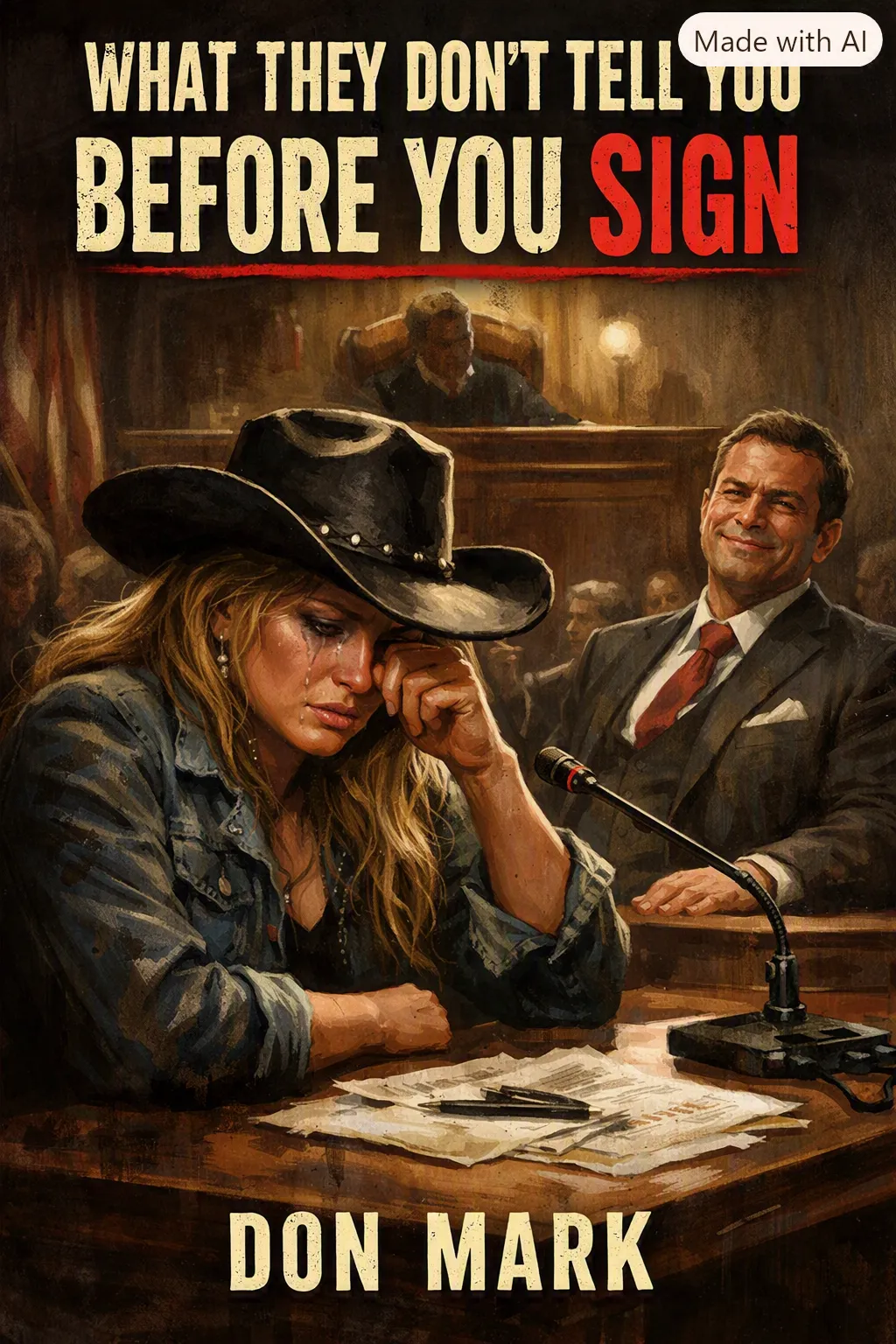
CHAPTER: The Silent Epidemic — Sexual Harassment, Coercion,
and Contract Exploitation in the Nashville Music Industry
By Don Mark
Introduction: The Hidden Cost of Chasing the Spotlight
Nashville sells the dream of country stardom — bright lights, big stages, and the promise of a record deal that changes everything. But behind the polished veneer lies a darker truth: for decades, female artists have navigated a music industry where sexual harassment, intimidation, and coercive contract pressure are not isolated incidents but systemic realities.
This chapter exposes the patterns, the players, and the power structures that have quietly shaped — and damaged — the careers of countless women in the Nashville music scene. These are not rumors. These are documented behaviors, reported testimonies, and publicly acknowledged cases that reveal how deeply the rot runs.
I. A Culture Built on Silence
The Numbers Tell the Story
A Music Industry Research Association study found that 67% of women in the music industry have experienced sexual harassment. In Nashville, where gatekeepers hold extraordinary power over radio play, touring slots, and songwriting access, the imbalance is even more pronounced.
Women describe harassment as:
“Normal.”
“Expected.”
“Part of the job.”
“Something you don’t talk about if you want a career.”
Whisper Networks
Because formal reporting often leads to retaliation, women rely on private warnings about:
Predatory producers
Manipulative managers
Co‑writers who cross boundaries
Radio personalities who demand inappropriate behavior
These whisper networks exist because official channels fail them.
II. Harassment Inside the Creative Process
The Co‑Writing Trap
Co‑writing sessions — the lifeblood of Nashville — are often where harassment begins. Women have reported:
Men staring at their bodies instead of focusing on the song
Sexual jokes disguised as “creative chemistry”
Invasive questions about their sex lives
Pressure to “open up” in ways that cross personal boundaries
Being touched without consent
Feeling obligated to apologize for leaving unsafe sessions
The power imbalance is simple:
He controls access to cuts, credits, and connections. She risks her career by saying no.
III. Radio Gatekeepers and the Abuse of Access
The “Santa Claus” Case
Rolling Stone documented a Nashville radio personality known as “Santa Claus” who:
Expected young female artists to sit on his lap for airplay
Made sexual jokes during interviews
Touched women without consent
Retaliated against those who refused by smearing them online
Radio remains one of the most powerful forces in country music. When a gatekeeper abuses that power, the consequences for women are devastating.
IV. Artist Testimonies: Speaking Truth to Power
Lindsay Ell
Publicly disclosed:
Sexual assault at 13
Rape at 21
Harassment as “very prevalent” in Nashville
Margo Price
Has spoken openly about misogyny, exploitation, and the pressure placed on women to comply with male‑controlled systems.
Kacey Musgraves
Discussed sexism and gatekeeping tied to male‑dominated radio and label structures.
Taylor Swift
Her sexual assault case against a radio DJ — though not Nashville‑specific — exposed the retaliation culture embedded in country music circles.
These women broke the silence. Many others cannot.
V. How A&R Agents, Managers, and Executives Use Intimidation
1. Sexualized “Mentorship”
Women report:
Invitations to hotel‑room meetings
“Chemistry building” excuses for inappropriate touching
Sexual comments during contract discussions
Pressure to dress more sexually to “fit the brand”
2. Coercive Contract Pressure
Executives and managers have told women:
“If you don’t play ball, we can’t push your single.”
“He’s powerful — don’t make him mad.”
“You need to be easy to work with.”
The implication is clear:
Compliance equals opportunity. Resistance equals career death.
3. Image‑Based Exploitation
Women are pressured to:
Lose weight
Sexualize their image
Pose for photos that make them uncomfortable
Accept branding decisions controlled entirely by men
4. Gaslighting and Psychological Manipulation
Common tactics include:
Calling women “too emotional”
Dismissing concerns as “misinterpretations”
Isolating them from supportive collaborators
Threatening to pull radio support or tour slots
5. NDAs as Weapons
Record labels frequently use:
Non‑disclosure agreements
Settlement offers tied to silence
Contract clauses preventing public disclosure
NDAs bury the truth — and protect the abusers.
VI. Documented Cases and Legal Actions
Dorothy Carvello vs. Atlantic Records
Carvello, a former A&R executive, exposed:
Sexual assault by senior executives
A culture of harassment inside major labels
Retaliation against women who report abuse
Her foundation, Face The Music Now, documents:
85% of victims never report
NDAs silence women across the industry, including Nashville
Nashville‑Related Complaints
Public reporting has documented:
Radio personnel accused of sexual misconduct
Managers investigated for harassment during tours
Songwriters accused of predatory behavior
Why Nashville Has Few Public Court Filings
Because:
NDAs bury cases
Women fear blacklisting
The industry is tightly interconnected
Retaliation is swift and severe
VII. Timeline of the Abuse
1990s–2000s
Whisper networks form. Women warn each other privately about predatory men.
2010s
Artists begin speaking publicly.
Rolling Stone investigates Nashville’s harassment culture.
The “Santa Claus” case becomes widely known.
2017
Taylor Swift wins her sexual assault case, exposing retaliation culture.
2018–2022
Dorothy Carvello exposes systemic abuse by A&R executives.
Nashville Music Equality and Safe Tracks launch.
2023–2025
More women speak out.
Investigations into radio gatekeepers and managers continue.
Industry pressure grows for accountability.
VIII. The Power Structure That Enables Abuse
Gatekeepers
Radio programmers
A&R agents
Managers
Producers
Touring coordinators
Mechanisms of Control
Access to radio
Access to tours
Access to producers
Access to songwriting circles
Control of branding and image
Result
Women face:
Harassment
Coercion
Retaliation
Blacklisting
Silencing via NDAs
This is not accidental.
This is structural.
Conclusion: Why This Chapter Matters
The Nashville music industry thrives on the myth of authenticity — real stories, real emotions,
real people. But authenticity cannot exist in a system built on silence, coercion, and exploitation.
By exposing these patterns, this chapter serves a single purpose:
to arm artists with knowledge, to challenge the industry’s culture of silence, and to demand
accountability from those who have abused their power for far too long.
This is the truth behind the dream.
This is what they don’t tell you before you sign.